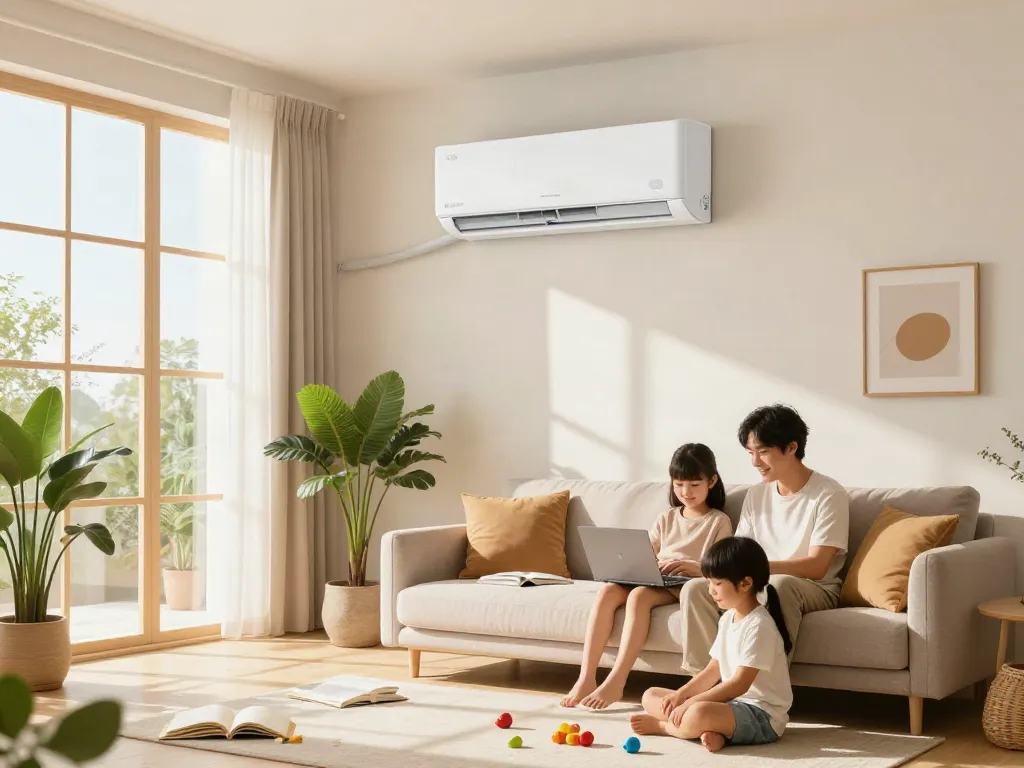
Understanding Mini Split Air Conditioners
As the demand for efficient cooling systems increases, homeowners are turning to mini split air conditioners as a viable solution for temperature control. These innovative systems offer flexibility, energy efficiency, and a range of features that cater to various spaces. When exploring options, mini split air conditioner units stand out due to their unique design and functionality.
What is a Mini Split Air Conditioner?
A mini split air conditioner is a type of HVAC system that allows for independent temperature control in different zones of a home or office. Unlike traditional central air systems, which require ductwork, mini splits consist of an outdoor compressor unit and one or more indoor air handling units. This design not only saves space but also enhances the efficiency of heating and cooling.
How Mini Split Systems Work Efficiently
Mini split systems utilize advanced technology to provide superior temperature control. The outdoor unit is responsible for expelling heat, while the indoor units draw in air to cool or heat it as needed. The refrigerant line connects these units, allowing them to exchange heat efficiently. This system results in lower energy consumption compared to central air systems, making it a more eco-friendly option.
Types of Mini Split Air Conditioners Available
There are several types of mini split air conditioners available, each designed to cater to specific needs:
- Single-zone systems: Ideal for cooling or heating a single room.
- Multi-zone systems: Capable of supporting multiple indoor units, perfect for larger homes.
- Heat pump systems: Provide both heating and cooling, making them versatile for year-round use.
- Wall-mounted units: Commonly installed high on walls, maximizing floor space.
Benefits of Choosing Mini Split Systems
The advantages of mini split systems go beyond their efficient operation. Here are some significant benefits:
Energy Efficiency and Cost Savings
Mini split air conditioners are known for their energy efficiency. They use inverter technology to adjust the compressor speed according to the temperature needs, resulting in lower electricity bills. This adaptability ensures that the system runs only as much as necessary, which can lead to substantial long-term savings on energy costs.
Improved Indoor Air Quality
Unlike traditional HVAC systems that recirculate air through ducts, mini splits offer enhanced air quality. They are equipped with advanced filtration systems that reduce allergens, dust, and other pollutants in the air. Regular maintenance of the filters can promote a healthier indoor environment, making them suitable for allergy sufferers or those with respiratory conditions.
Flexible Installation Options for Any Space
One of the standout features of mini split systems is their versatile installation options. They can be mounted on walls, ceilings, or even integrated into ductwork, providing homeowners with choices that suit their aesthetic preferences and space requirements. This flexibility makes them ideal for both new constructions and retrofits in older buildings.
Common Misconceptions about Mini Split Air Conditioners
Despite their advantages, several myths exist surrounding mini split systems that can deter potential buyers. Addressing these misconceptions can facilitate informed decisions.
Addressing Noise Levels and Performance
Many assume that mini split systems are noisy, but in reality, most models operate quietly. Indoor units are designed to function at low decibel levels, similar to a whisper, making them a great option for bedrooms and study areas where noise can be distracting.
Debunking Installation Myths
There is a widespread belief that mini split installation is overly complex or expensive. While professional installation is recommended, many systems are designed for easier setups, and costs can vary based on system type and installation complexity.
Understanding Maintenance Requirements
Another misconception is that mini splits require extensive maintenance. On the contrary, they are relatively low-maintenance systems. Routine tasks involve cleaning filters and ensuring the outdoor unit is free from debris. Regular check-ups by a professional can further enhance lifespan and efficiency.
How to Choose the Right Mini Split Air Conditioner
Selecting the appropriate mini split air conditioner involves assessing various factors to ensure optimal performance and satisfaction.
Assessing Your Space Requirements
Begin by measuring the area you intend to cool or heat. The size of the room will dictate the BTU (British Thermal Unit) requirements of the unit. An undersized unit will struggle to meet demands, while an oversized unit can lead to inefficient cycling.
Evaluating Energy Ratings and Certifications
When purchasing a mini split air conditioner, check energy efficiency ratings such as SEER (Seasonal Energy Efficiency Ratio) and EER (Energy Efficiency Ratio). Units with higher ratings indicate better energy efficiency, which translates to lower operating costs.
Cost Considerations for Installation and Operation
Consider both the upfront cost of the unit and the long-term operational expenses. While more efficient models may have higher initial prices, their energy savings can offset the initial investment over time. Factor in installation costs, which can vary based on complexity and location.
Future Trends in Mini Split Air Conditioning
The mini split market is continuously evolving, with trends poised to shape future developments.
Innovations in Technology and Design
Manufacturers are increasingly integrating smart technology into mini split systems, allowing users to control their units remotely via smartphone apps. Enhanced compatibility with smart home devices will streamline management and optimize performance based on daily usage patterns.
Predicted Market Growth for 2026 and Beyond
According to industry reports, the mini split air conditioning market is expected to grow significantly over the next few years, driven by increasing demand for energy-efficient solutions and rising consumer awareness of climate control technologies. This growth creates opportunities for innovations that improve efficiency and customer satisfaction.
Eco-friendly Practices in Mini Split Manufacturing
With a growing focus on sustainability, manufacturers are adopting eco-friendly practices. This includes using environmentally safe refrigerants and promoting recycling initiatives for old units, ensuring that products not only perform well but also have minimal environmental impact.
What size mini split air conditioner do I need for my room?
The size of the mini split air conditioner should match the square footage of the room. Generally, rooms of around 300-400 sq. ft. require units with about 12,000 BTUs, but factors like ceiling height and insulation should also be considered.
Are mini split air conditioners suitable for colder climates?
Many modern mini split systems are designed to perform efficiently in colder temperatures, with some able to operate effectively even in sub-zero conditions. Look for models specifically rated for cold climates if you live in an area with harsh winters.
How do I maintain my mini split air conditioner?
Maintenance involves regular cleaning or replacement of filters every few months, checking the outdoor unit for debris, and having a professional inspection annually to ensure optimal performance.
What is the typical lifespan of a mini split air conditioner?
With proper maintenance, a mini split air conditioner can last between 15 to 20 years. Regular servicing and attention to filter cleanliness can extend the unit's life and efficiency.
Can mini split systems be installed DIY?
While some individuals may have the skills for DIY installation, it is often recommended to hire a professional to ensure proper setup and compliance with local codes. This can prevent potential issues down the line.