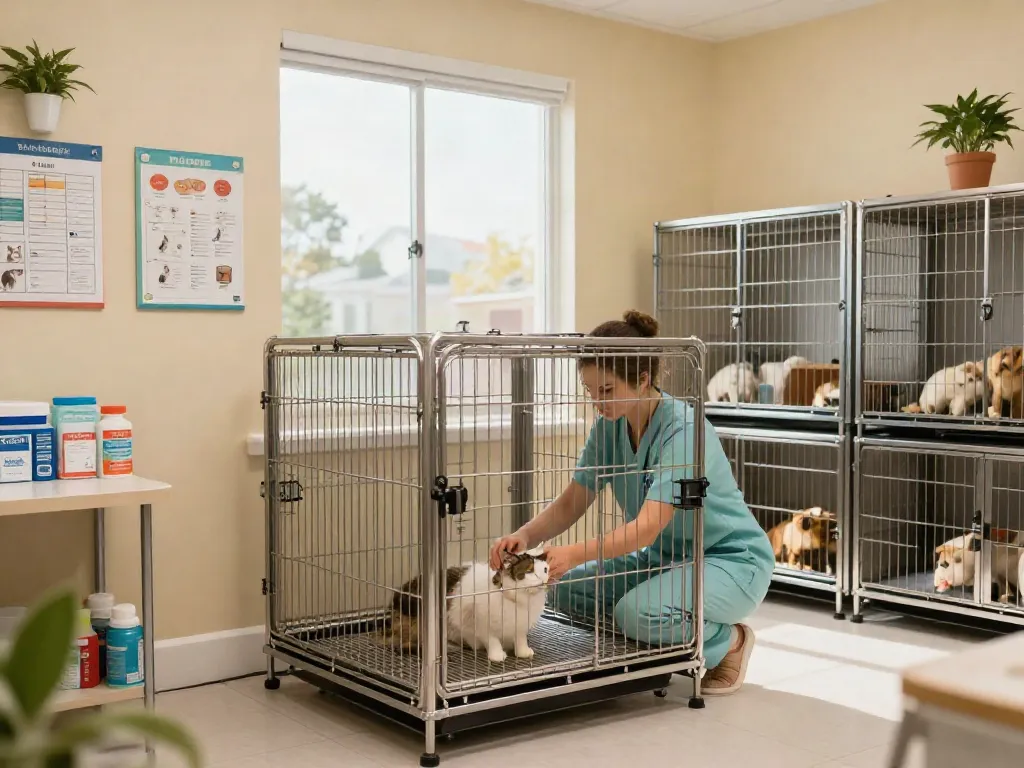
Understanding Veterinary Cages and Their Importance
Veterinary cages are essential tools in animal healthcare settings, providing safe and secure environments that facilitate recovery, treatment, and housing for various animals. As veterinarians aim to provide the best possible care to their patients, understanding the nuances of veterinary cages becomes crucial. A well-designed cage not only ensures safety but also enhances the overall efficiency of veterinary operations. When exploring options, Veterinary Cages come in various styles and materials tailored to meet specific needs.
What Are Veterinary Cages?
Veterinary cages are specially designed enclosures used in animal clinics, hospitals, and boarding facilities to care for animals during examinations, treatments, or recovery processes. These cages serve multiple purposes, including isolating sick animals, providing comfort to anxious pets, and facilitating necessary medical procedures.
Common Types of Veterinary Cages
Veterinary cages come in several types, each suited for different animals and situations:
- Stainless Steel Cages: Known for their durability and ease of cleaning, stainless steel cages are favored in many veterinary practices. They can withstand heavy use and are resistant to corrosion.
- Plastic Cages: Lightweight and often more affordable, plastic cages are suitable for smaller animals and short-term use.
- Modular Cages: These cages offer flexibility and can be reconfigured to create larger spaces as needed, making them ideal for multi-species environments.
- Transport Cages: Designed for safe and secure transport of animals, these are typically used when moving pets or patients between locations.
Key Features to Look for in Veterinary Cages
Choosing the right veterinary cage requires careful consideration of various features:
- Size: Ensuring the cage is appropriately sized for the animal is critical for comfort.
- Ventilation: Good airflow is essential to prevent overheating and to reduce stress in animals.
- Accessibility: Cages should have easy access points for medical staff to provide treatment without causing undue stress to the animal.
- Safety Features: From secure locks to rounded edges, these features help prevent escapes and injuries.
Best Practices for Using Veterinary Cages
To maximize the effectiveness of veterinary cages, it is essential to follow best practices that prioritize safety and comfort.
Ensuring Animal Comfort and Safety
Making an animal feel at home in a cage can significantly reduce stress and improve recovery times. Use bedding materials that are soft and easy to clean, and consider adding familiar scents, such as a blanket or toy, to help calm anxious animals.
Cleaning and Maintenance Procedures
Regular cleaning and maintenance are crucial for infection control and to provide a healthy environment. Use non-toxic disinfectants and follow a strict protocol to ensure that cages are sanitized between uses. Routine checks should also be performed to identify any wear and tear that may compromise safety.
Integrating Technology for Enhanced Monitoring
The latest advancements in technology offer innovative solutions for monitoring the health and behavior of animals in cages. Integrating smart sensors and cameras can help veterinarians observe animals remotely, allowing for immediate attention if any issues arise, thus enhancing the overall care provided.
Challenges and Solutions in Veterinary Cage Management
Managing veterinary cages can present challenges that require thoughtful solutions for effective animal care.
Common Misconceptions About Veterinary Cages
One prevalent misconception is that all cages are the same. In reality, different species and conditions require specific cage types to ensure safety and comfort. Educating staff and clients about these differences can enhance the quality of care.
Adapting to New Regulations and Standards
Veterinary practices must stay informed about changing regulations related to animal welfare and cage standards. Regular training sessions can help staff remain compliant and aware of best practices.
Addressing Behavioral Issues in Caged Animals
Behavioral issues can arise from extended periods in cages, particularly if animals feel stressed or confined. Implementing enrichment activities, such as toys or social interaction, can alleviate these issues and promote mental health.
Future Trends in Veterinary Cages for 2026
As the veterinary field continues to evolve, so do the designs and functionalities of veterinary cages.
Innovative Designs and Materials
Future designs may incorporate more sustainable materials and innovative features like adjustable sizes and enhanced ventilation to cater to a variety of species and their comfort levels.
Sustainable Practices in Veterinary Caging
With an increasing focus on environmental responsibility, many manufacturers are exploring eco-friendly materials and manufacturing practices. This trend not only benefits the planet but can also enhance the reputation of veterinary practices that prioritize sustainability.
Emerging Trends in Veterinary Care Environments
As the demand for personalized and humane animal care grows, veterinary cages are likely to evolve into more integrated components of the overall treatment environment, emphasizing welfare and comfort.
Real-World Applications and Case Studies
Understanding how veterinary cages are implemented in real-world settings can illuminate their importance in the veterinary field.
Successful Implementations of Veterinary Cages
Many veterinary practices have reported improved operational efficiency and animal welfare after upgrading their cage systems to modern, modular designs that facilitate better airflow and accessibility.
Testimonials from Veterinary Professionals
Veterinarians often note how investing in high-quality cages has directly correlated with better recovery rates among their patients, emphasizing the role of proper housing in medical outcomes.
Measuring Success: Metrics for Veterinary Cage Effectiveness
Key performance indicators such as recovery times, animal stress levels, and overall patient outcomes can provide valuable insights into the effectiveness of veterinary cages in different practices.
What are vet cages called?
Vet cages are often referred to as animal enclosures, pet cages, or veterinary housing systems.
What are the best vet cages for different animals?
The best vet cages vary by species—stainless steel cages for dogs, smaller plastic enclosures for cats, and specialized habitats for exotic animals.
How do I choose the right veterinary cage size?
Choosing the right size depends on the animal's species, size, and specific behavior patterns; ensuring adequate space for movement is essential.
What materials are best for veterinary cages?
Stainless steel is often considered the best material due to its durability and ease of cleaning, while high-quality plastic can offer comfort for smaller animals.
How can technology improve veterinary cage management?
Technology can enhance monitoring and management through integrated health tracking systems and remote observation capabilities, thus ensuring optimal care.